Personal Training
At Active Living Fitness, we know that stepping into a traditional gym environment can feel intimidating, overwhelming, or even impossible…
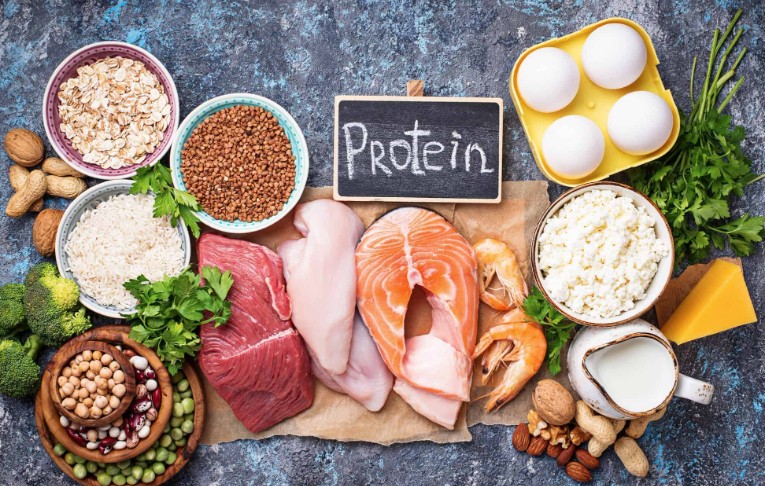
Protein is often hailed as the building block of life, and for good reason. Whether you’re an elite athlete, someone returning to exercise after a long break, or simply interested in ageing well, protein plays a central role in your overall health. It’s not just for bodybuilders and athletes; it’s vital for everyone, especially those incorporating resistance training into their routine.
What Does Protein Do?
Protein is essential for the repair and growth of muscle tissue. Every time you lift a weight, do a squat, or even just climb stairs, your muscles undergo microscopic stress. Protein helps to repair this damage, making muscles stronger and more resilient over time. It also supports enzyme function, immune health, hormone production, and even helps you feel fuller for longer, an important factor if you’re managing your weight.
Protein and Resistance Training: A Perfect Match
Resistance training, anything that makes your muscles work against a force, like dumbbells, resistance bands, or even bodyweight exercises, triggers muscle protein synthesis (MPS). This is the process your body uses to build new muscle.
But for MPS to work effectively, it needs the right raw material: protein. Research shows that combining resistance training with adequate protein intake leads to greater muscle gains, strength improvements, and better body composition than training without a focus on nutrition.
The Evidence: Protein and Ageing
One of the most compelling reasons to prioritise protein is its role in healthy ageing. As we get older, we naturally lose muscle mass, a condition known as sarcopenia. This muscle loss can contribute to frailty, falls, loss of independence, and poorer quality of life. But there’s good news: staying active and eating enough protein can slow or even reverse this decline.
A growing body of research supports higher protein intake in older adults to preserve muscle mass and strength. The PROT-AGE Study Group, a collaboration of international nutrition experts, recommends that older adults consume 1.0–1.2 grams of protein per kilogram of bodyweight per day, higher than the general adult recommendation of 0.8 g/kg/day.
For example, a 70 kg person would need around 70–84 grams of protein per day as they age, or more if they are ill, recovering from injury, or doing regular resistance training.
How Much Protein Do You Need?
If you’re actively doing resistance training or aiming to improve muscle mass, current evidence suggests aiming for 1.6–2.2 grams of protein per kilogram of bodyweight per day. For someone who weighs 70 kg, that’s 112–154 grams of protein daily.
This might sound like a lot, but it’s achievable with a balanced diet. Think lean meats, dairy, eggs, legumes, tofu, fish, and protein-rich snacks or supplements like protein shakes if needed.
Spread It Out
Interestingly, when you eat protein also matters. Studies show that spreading your protein intake evenly across the day say, 25–30 grams per meal, helps maximise muscle protein synthesis. That’s more effective than loading it all in one big dinner.
Bottom Line: Everyone Needs Protein—Especially You
You don’t need to be training for a competition to benefit from more protein. Whether you’re new to fitness, coming back after a break, or trying to stay strong as you age, increasing your protein intake, alongside regular resistance work, can help build strength, maintain independence, and improve your overall wellbeing.
As always, consult a healthcare professional or dietitian if you’re unsure how to tailor your diet to your needs. But one thing’s for sure: a little more protein can go a long way