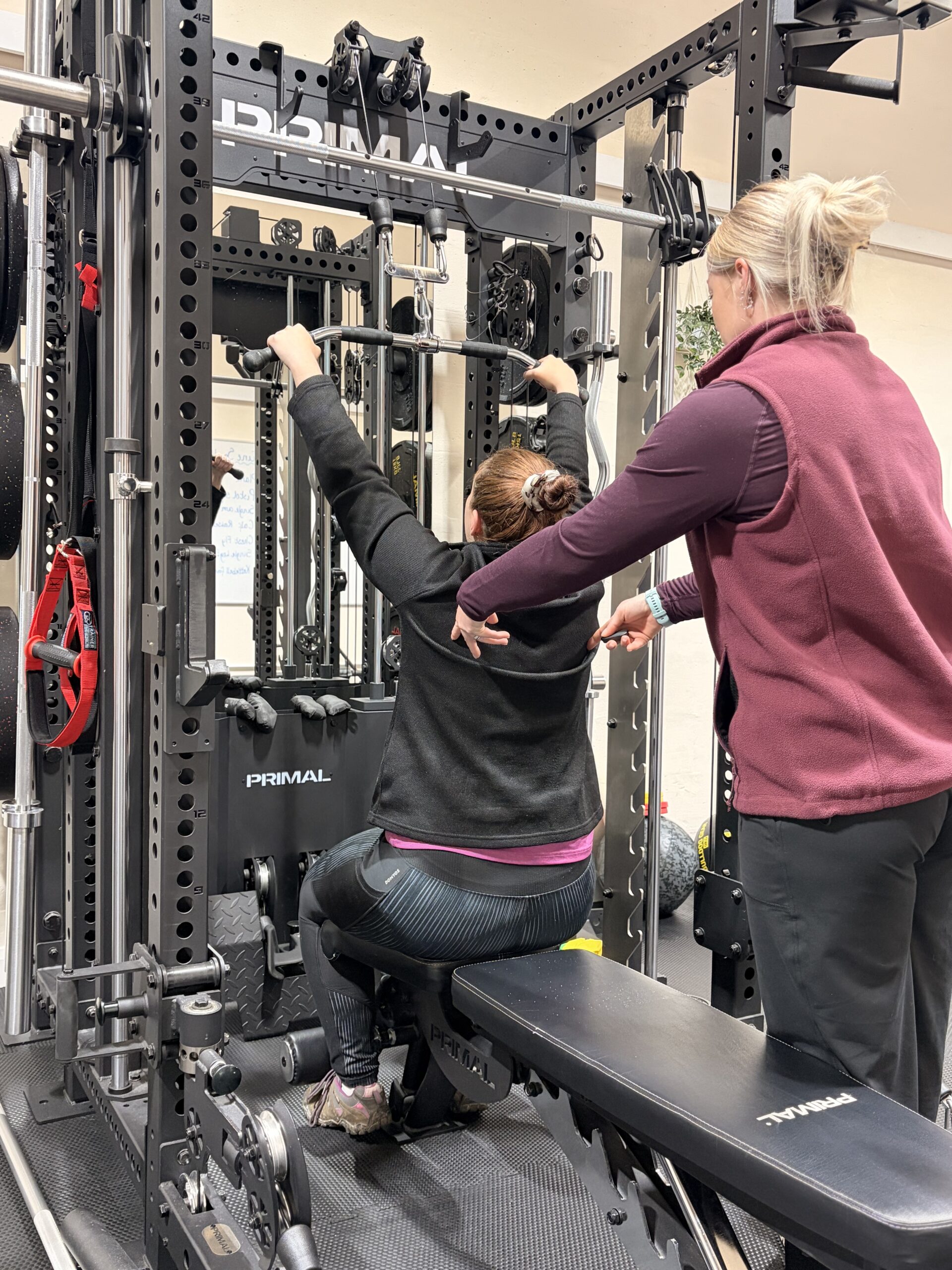
Personal Training
At Active Living Fitness, we know that stepping into a traditional gym environment can feel intimidating, overwhelming, or even impossible…
Hypertension, or high blood pressure, is one of the most common yet dangerous health conditions worldwide. Often called the “silent killer,” it can develop without noticeable symptoms, yet it significantly increases the risk of severe health complications. This article will explore the causes and effects of hypertension, focusing primarily on the commonest cause- Essential Hypertension, while briefly touching on rarer causes of secondary hypertension such as Cushing’s syndrome and pheochromocytoma disease of the adrenal glands).
What is Hypertension?
Blood pressure is the force of blood pushing against artery walls as the heart pumps. It is measured in millimetres of mercury (mmHg) and recorded as two numbers: systolic pressure (when the heart beats) and diastolic pressure (when the heart rests between beats). A normal reading is around 120/80 mmHg. Hypertension is diagnosed when blood pressure consistently exceeds 140/90 mmHg.
Causes of Hypertension
Essential hypertension accounts for around 90-95% of cases and develops gradually over time due to a combination of genetic and lifestyle factors. Some of the key contributors include:
Unlike essential hypertension, secondary hypertension has an identifiable cause and accounts for a smaller percentage of cases. It often results from underlying medical conditions, including:
Effects of Hypertension
If left untreated, hypertension can damage the body in various ways, leading to life-threatening complications:
Cardiovascular Disease: Hypertension forces the heart to work harder, which can result in:
Heart Attack: High blood pressure contributes to artery damage by Atherosclerosis causing blockages, increasing heart attack risk.
Stroke: Elevated pressure causes Atherosclerosis leading to clots (the commonest form of strokes) but also weakens arteries in the brain, making haemorrhagic (bleeding) strokes more likely.
Heart Failure: Over time, the heart may struggle to pump effectively, leading to heart failure.
Other Serious Outcomes
Kidney Damage: Hypertension can cause kidney failure by damaging the arteries leading to the kidneys.
Vision Loss: High blood pressure can harm blood vessels in the eyes, leading to blindness.
Cognitive Decline: Studies suggest hypertension increases the risk of dementia and cognitive impairment.
Treating Hypertension: Lifestyle and Medical Approaches
Hypertension, or high blood pressure, affects millions of people worldwide and significantly increases the risk of heart disease, stroke, and kidney failure. Effective management is essential for reducing these risks, and treatment typically involves lifestyle modifications and, in some cases, medication. The National Institute for Health and Care Excellence (NICE) provides clear guidelines for hypertension management, emphasising both lifestyle interventions and pharmacological treatments. This article explores these approaches in detail.
Lifestyle Modifications for Hypertension Management
Lifestyle changes are the first-line treatment for hypertension and can significantly lower blood pressure without the need for medication. Key recommendations include:
Reducing Salt Intake. The World Health Organization (WHO) highlights that excessive sodium consumption is a leading cause of high blood pressure. The recommended daily salt intake is less than 5 grams (approximately one teaspoon). Reducing salt intake can be achieved by:
Maintaining a Healthy Weight
Obesity is a major risk factor for hypertension. NICE guidelines recommend weight loss for individuals with a high Body Mass Index (BMI), as even modest weight reduction can significantly lower blood pressure. A healthy diet, combined with regular physical activity, is crucial for sustainable weight loss.
Increasing Physical Activity
Regular exercise strengthens the heart, improving its efficiency and reducing blood pressure. The recommended amount of physical activity includes:
At least 150 minutes of moderate-intensity exercise per week (e.g., brisk walking, cycling, swimming).
Muscle-strengthening activities at least twice a week.
Reducing sedentary behaviour by incorporating more movement throughout the day.
Adopting a Balanced Diet
A heart-healthy diet is essential for blood pressure management. The DASH (Dietary Approaches to Stop Hypertension) diet, recommended by NICE, emphasizes:
Medical Treatment for Hypertension
When lifestyle changes alone are insufficient, NICE guidelines recommend pharmacological treatment based on age, ethnicity, and blood pressure severity.
First-Line Medications
For individuals under 55 years, the first-line treatment is usually an ACE inhibitor (e.g., Ramipril) or an Angiotensin II receptor blocker (ARB) (e.g., Losartan). For those over 55 or of African or Caribbean descent, a calcium channel blocker (e.g., Amlodipine) is preferred.
Combination Therapy
If blood pressure remains high, a combination of medications may be required. This can include:
ACE inhibitors or ARBs combined with calcium channel blockers.
Addition of a thiazide-like diuretic (e.g., Indapamide) if two-drug therapy is insufficient.
Resistant Hypertension
For individuals whose blood pressure remains uncontrolled despite three medications, further options include:
Addition of a beta-blocker (e.g., Bisoprolol) or aldosterone antagonist (e.g., Spironolactone).
Specialist referral for further evaluation.
Conclusion
Hypertension is a manageable condition with a combination of lifestyle changes and medication where necessary. Following NICE guidelines, reducing salt intake, maintaining a healthy weight, and engaging in regular exercise can significantly lower blood pressure. When required, targeted pharmacological treatments provide additional control. Managing hypertension effectively reduces the risk of serious cardiovascular complications and improves overall health and quality of life.