Personal Training
At Active Living Fitness, we know that stepping into a traditional gym environment can feel intimidating, overwhelming, or even impossible…
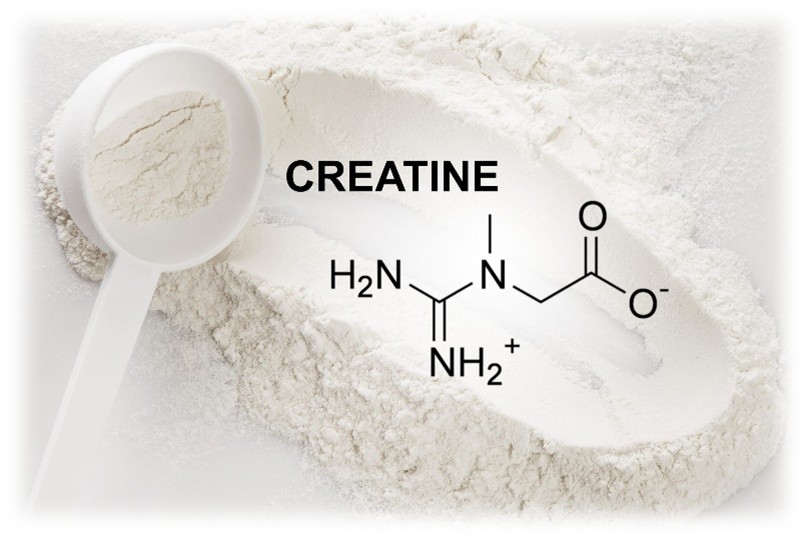
Creatine is one of the most researched and widely used supplements in sports and health. Best known for its role in enhancing strength and muscle mass, it also has emerging benefits for cognition and hormonal balance, including potential advantages for menopausal women.
This article explores creatine’s uses, recommended dosages, and safety profile.
Creatine and Strength Training
Creatine is a naturally occurring compound found in muscle cells. It helps produce adenosine triphosphate (ATP), the primary energy source for high-intensity exercise.
Benefits for Strength and Muscle Mass
• Increases Power Output: Research consistently shows that creatine supplementation enhances performance in activities requiring short bursts of energy, such as weightlifting and sprinting.
• Boosts Muscle Growth: Regular use leads to increased lean muscle mass, especially when combined with resistance training.
• Enhances Recovery: Creatine helps reduce muscle damage and inflammation, leading to faster recovery between workouts.
Dosage: Normal vs. High Dose
The standard daily dose of creatine is 5 grams, but some individuals opt for higher doses, especially during a loading phase.
• Standard Dose (5g per day): This is sufficient for maintaining elevated muscle creatine stores and is supported by decades of research.
• High Dose (8-10g per day): Some studies suggest that higher doses may provide additional benefits, particularly for larger individuals or those engaged in intense training. However, long-term studies indicate that exceeding 10g per day offers minimal extra benefits.
Creatine and Cognitive Function
Beyond its role in muscle energy production, creatine has been studied for its effects on brain function.
• Improves Memory and Mental Performance: Studies suggest that creatine supplementation enhances cognitive function, particularly in tasks requiring short-term memory and problem-solving skills.
• Reduces Mental Fatigue: Creatine has been shown to help with mental clarity and endurance, particularly in stressful or sleep-deprived conditions.
Creatine Use in Menopausal Women
Menopause leads to hormonal changes that can contribute to muscle loss and cognitive decline. Emerging research indicates that creatine may offer benefits for postmenopausal women by:
• Preserving Muscle Mass: Studies show creatine supplementation can help mitigate muscle deterioration associated with aging.
• Supporting Bone Health: Some evidence suggests creatine may aid in maintaining bone mineral density, reducing the risk of osteoporosis.
• Enhancing Brain Function: Given its cognitive benefits, creatine may be useful in combating menopause-related memory decline.
Safety of Creatine Supplementation
Despite common misconceptions, creatine is one of the safest supplements available.
• No Harm to Kidney or Liver Function: Extensive research confirms that long-term creatine use in healthy individuals does not cause kidney or liver damage.
• Minimal Side Effects: Some individuals may experience mild water retention or gastrointestinal discomfort when starting supplementation, but these effects typically subside over time.
• Safe for Long-Term Use: Unlike many performance-enhancing supplements, creatine does not disrupt hormone levels or pose significant health risks.
Conclusion
Creatine is a highly effective and safe supplement for individuals looking to improve strength, muscle mass, and cognitive function. The standard dose of 5g per day is sufficient for most users, while higher doses (8-10g) may be beneficial in specific cases. Its role in cognitive support and menopausal health makes it a valuable supplement beyond athletic performance. With a well-established safety profile, creatine is a worthwhile addition to many health and fitness routines.