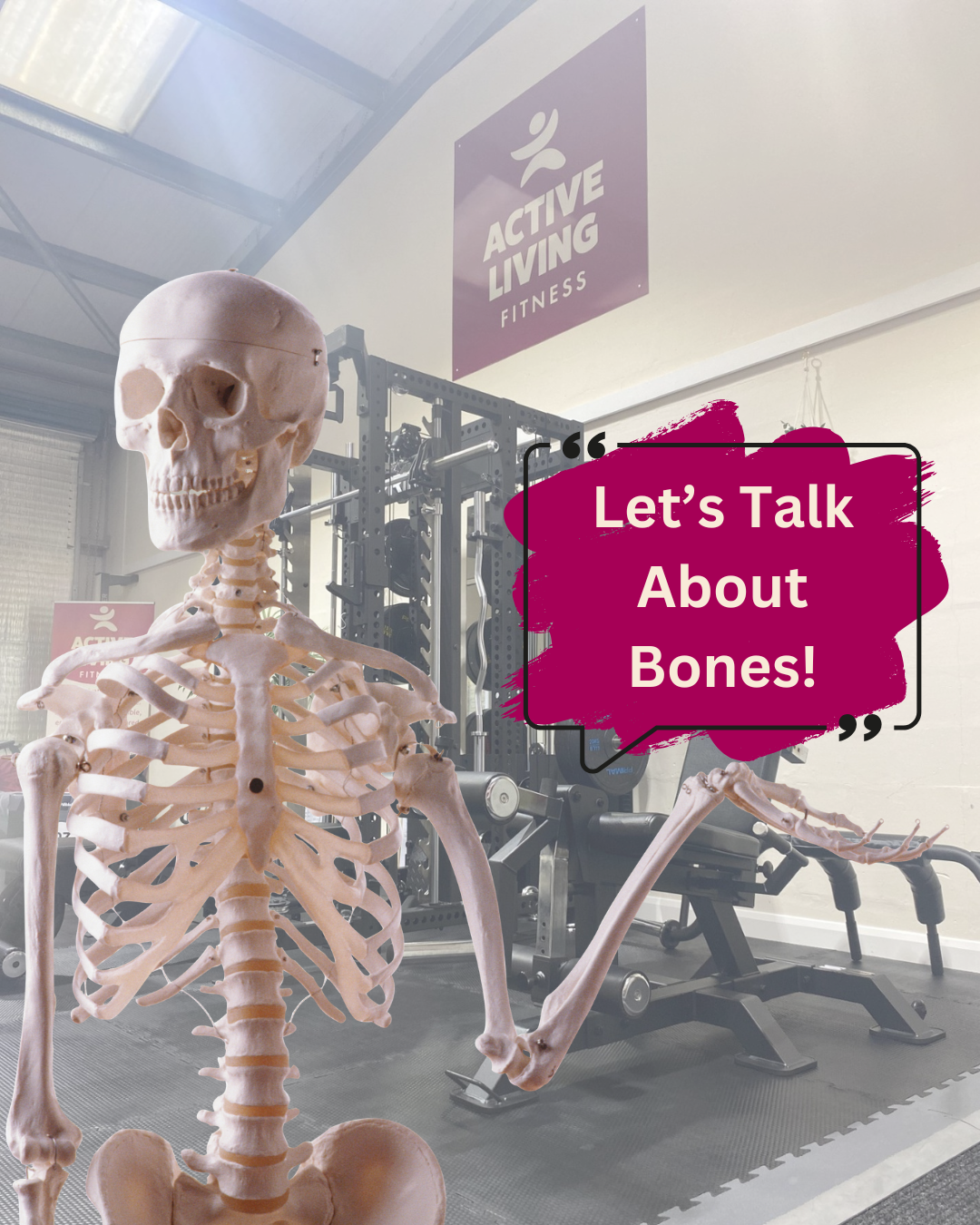
Bone Density- Why it matters.
Bone density, or bone mineral density (BMD), reflects how much mineral, mainly
calcium, is packed into bones. Higher density means stronger bones, better able to
withstand stress and resist fractures. As BMD declines, bones become more fragile,
increasing risk of serious injuries like hip or spinal fractures.
Measuring Bone Density and Assessing Fracture Risk
- DXA (dual‑energy X‑ray absorptiometry) is the clinical standard used across
the NHS. - In the UK, fracture risk is often assessed using FRAX® or QFracture® to
estimate 10‑year probability of fracture, particularly in women over 65 and
men over 75. - Once at-risk patients are identified, NICE guidelines recommend BMD
measurement, lifestyle advice and, when necessary, bone-protective
medications such as bisphosphonates or HRT for postmenopausal women. -
What Causes Poor Bone Density? Risk factors include:
- Age and hormones: Bone loss accelerates after menopause due to declining
oestrogen. - Family history, low BMI, smoking, excessive alcohol, corticosteroid use,
inflammatory or endocrine disorders. - Poor nutrition: Insufficient calcium, vitamin D, protein, and micronutrients
undermine bone health. - Sedentary lifestyle: Lack of weight-bearing and resistance activity
contributes to bone weakening.
How to Improve and Maintain Bone Density
Exercise: The Core Strategy
UK expert consensus emphasises a multicomponent approach, resistance training
and impact (weight‑bearing) activities, to optimise bone strength and reduce fall
risk. Balance and posture exercises are also recommended.
Active Living Fitness. Company Number 16072860. Unit 38D Pennygillam Way, Launceston,
Cornwall, PL15 7ED. 01566 453038. www.activelivingfitness.co.uk
[email protected]
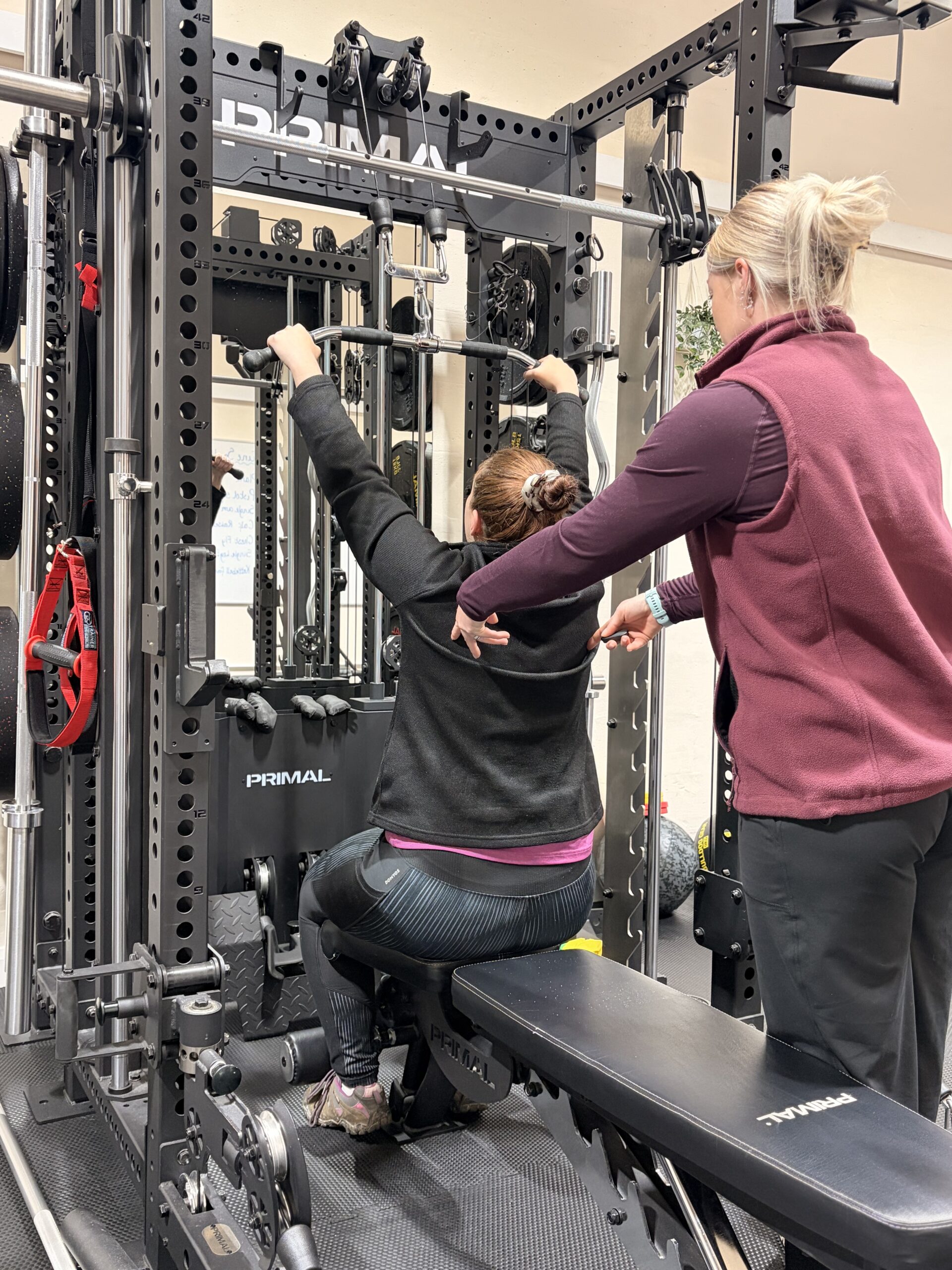
- Resistance training: 8–12 reps to fatigue, 2–3 times weekly.
- Moderate-impact exercises (low-level jumping, jogging, stamping), ~50
impacts per session, most days. - For those with vertebral fractures: limit to brisk walking and supervised
programmes. - Balance training and spinal extension work support posture and reduce falls.
- Avoid excessive spinal flexion.
Nutrition and Hormonal Support
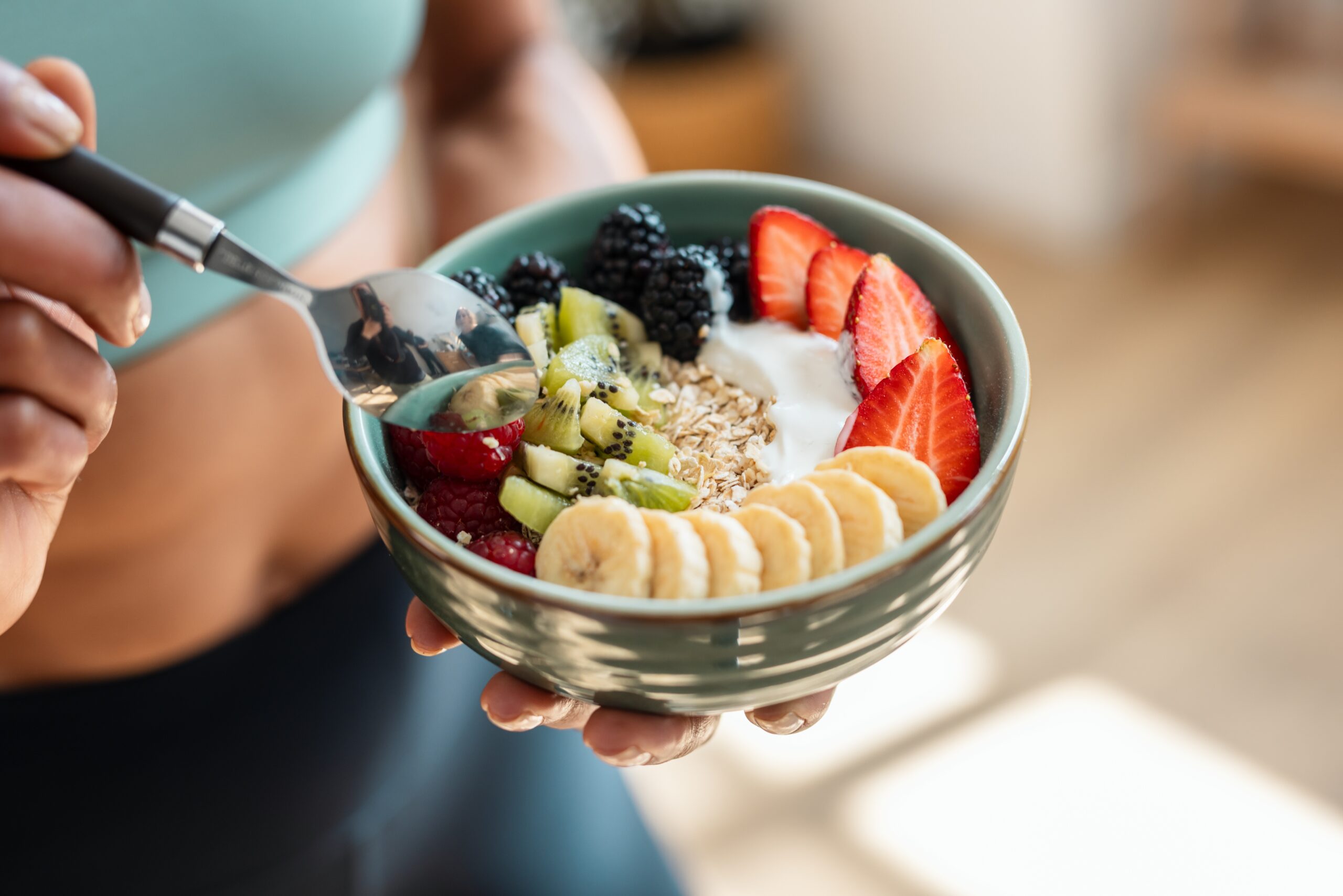
- Calcium, vitamin D, and protein are foundational.
- Healthy BMI and avoidance of smoking and alcohol improve outcomes.
- HRT: Effective for women under 60 or early post menopause, reducing
fracture risk and improving BMD.
Clinical Interventions
- Bisphosphonates: First-line therapy for osteoporosis in NHS guidance.
- Fracture liaison services help coordinate care and prevention.
Sample Exercise Recommendations
Resistance & strength-Squats, lunges, deadlifts, hip hinge,
rows, presses. 2–3 sessions/week, 8–
12 reps.
Impact/weight-bearing- Brisk walking, stair climbing, jogging,
skipping. Aim ~50 impacts per session.
Balance & posture Single leg stands, Tai Chi, spinal
extension exercises